




Ask "how long does a café fit-out take?" and most people picture the builders. They're only one stage. Much of the waiting happens earlier, in design and approval, and in the gaps between steps that nobody planned for. Every one of those weeks costs rent and earns nothing, so this is really a money question. Below is a stage-by-stage café fit-out timeline, using published NSW figures where they exist and saying so plainly where they don't.
How long does a café fit-out take, from lease to opening?
Here's the sequence for a typical café going into an existing shop. Some stages overlap. The approval sits in the middle and can't be skipped.
| Stage | What happens | How long |
|---|---|---|
| 1. Checks before you sign | Zoning, approval route, services, a rough budget | Depends on the site |
| 2. Lease paperwork | Landlord's disclosure statement, negotiation, signing | At least 7 days between the disclosure statement and a retail lease starting; the negotiation itself varies |
| 3. Measure and design | Site measure, layout, kitchen, approval drawings, any consultant reports | 2 to 6 weeks, including consultant reports |
| 4a. Approval by CDC | A certifier or council checks the design against the state standards | As little as 20 days |
| 4b. Approval by DA | Lodgement, notification, assessment, decision | Lodgement: an expected average of 7 days. Decision: 2025-26 averages of 61 days (City of Sydney) to 94 days (Inner West) after lodgement |
| 5. Construction certificate | DA route only: a certifier checks the construction drawings | No published standard; ask your certifier for a written turnaround |
| 6. Trade waste approval | Sydney Water application, approved by the owner or managing agent | Usually less than 21 days, once the land-use approval is in place |
| 7. The build | Strip-out, services, joinery, finishes, equipment | 5 weeks or more, depending on the complexity and the builder |
| 8. Final inspection and occupation certificate | The finished work is checked against the approval | No published standard; allow time for it |
| 9. Food business registration | Register with council before trading | Lodge before you open |
| Optional: outdoor dining | Using an on-street parking space in City of Sydney | 12 to 15 weeks, if successful |
Two things stand out. The approval can take three weeks or three months depending on the route. And several steps can't begin until an earlier one is finished: Sydney Water, for example, says the property must already have its land-use approval, such as a DA or CDC, before it approves trade waste discharge. Those handovers are where weeks disappear.
Why is the approval the biggest variable?
The two approval routes take very different lengths of time.
The CDC route
A complying development certificate can be issued in as little as 20 days when the proposal meets every standard and the application is complete. For a café, the standards cover the zone, heritage, patron numbers, the AS 4674 kitchen standard, the type of cooking and the exhaust position. Our guide to changing a shop into a café goes through each one.
A CDC also saves a step later. Building work approved as complying development doesn't need a construction certificate, so once the CDC is issued there's no second approval before the build.
The DA route
A DA has more steps: council checks and lodges the application, notifies neighbours where required, assesses it, may ask for more information, and then decides. The state expects councils to lodge DAs within an average of 7 days and to decide them within an average of 90 days of lodgement, and that target will shorten over the next few years.
The days are calendar days, counted from lodgement to decision, and they include weekends and any time council spends waiting for more information. Across NSW, average assessment times have fallen from 115 days to 84 days. After a DA, you still need a construction certificate before any building work starts.
How long does a DA take in the Inner West and nearby councils?
Every council's DA times are published in the state's council league table. For the 2025-26 financial year, the averages were:
| Council | Suburbs, for example | Average days from lodgement to decision | Average days to lodge |
|---|---|---|---|
| Inner West | Leichhardt, Marrickville, Balmain | 94 | 4 |
| City of Sydney | Waterloo, Surry Hills, the CBD | 61 | 7 |
| Randwick | Kensington, Kingsford | 69 | 3 |
| Canterbury-Bankstown | Bankstown, Canterbury | 80 | 4 |
| Woollahra | Rose Bay, Double Bay | 96 | 5 |
These averages cover every kind of DA each council decided, including house extensions and apartment buildings as well as cafés. A small, complete café application can come in under the average. One that needs more information, or draws objections from neighbours, can run well over it.
The way an application is lodged matters too. Inner West Council checks each DA for completeness when it's submitted. If something is missing, you have only a few days to supply it, or the application is returned and you start again. Lodging a complete application on day one is the simplest way to save time.
What happens after the approval?
Several steps still follow the approval. Plan for each of these:
Construction Certificate (DA Route)
On the DA route, you need a construction certificate before any building work starts. Its drawings usually contain much more detail than the DA plans. There's no published standard time for it, so ask your certifier for a turnaround in writing.
Trade Waste Approval
Apply to Sydney Water as soon as the approval is issued. The property owner or managing agent has to approve the application, so let the landlord know it's coming. Assessment usually takes less than 21 days.
The Build
The build covers the strip-out, services, joinery, finishes and equipment. Plan around the services work (exhaust, drainage and power), because it involves several trades and sometimes the landlord.
Occupation Certificate
You need an occupation certificate to occupy and use a new building or part of one, or to change the use of an existing building. It's issued once the work meets the approval and the premises are suitable for occupation, so book the final inspections early.
Food Business Registration
Before you open, you need to register your food business with council. In City of Sydney, the premises doesn't need an inspection before you start trading; inspections happen later and are unannounced. Other councils may do it differently, so check with yours.
Outdoor seating and alcohol run on their own clocks. In City of Sydney, using an on-street parking space for outdoor dining "takes 12 to 15 weeks, if successful", and a liquor licence goes through Liquor & Gaming NSW. Apply early, or open without them and add them later.
What usually causes delays?
Most of the usual causes are about sequencing rather than the speed of the build:
- The approval route is found too late, and a planned CDC becomes a DA because of a heritage map, the exhaust position or the patron numbers.
- The application is incomplete, so it's returned or stalls while council waits for information.
- The landlord, a strata owners corporation or a shopping centre may have to sign off roof work, ducts, signage or the trade waste application. Ask for their consent early, so it doesn't hold up the build.
- The exhaust route, the grease trap location, drainage falls or the power supply turn out to be harder than expected.
- The design changes after approval. Plans that don't match the approval may need an application to modify the consent, which means another wait.
- Nobody is in charge of the smaller steps. Trade waste, registration, the occupation certificate and signage each need someone to start them on time.
Café owners have described a familiar pattern: the rent-free months are used up waiting on approvals, then more months of rent go by while the fit-out is finished. A plan made before the lease is signed avoids much of that.
How do you protect yourself in the lease?
Match the lease to the timeline before you sign. Work out how long the approval and the building work will take, negotiate a rent-free period where you can, and decide what you'll do if there are problems or delays. In practice:
- Ask for a fit-out or rent-free period based on the stages above, with a margin. A rent-free period is one of the most common incentives in retail leases.
- Pin down when that period starts: at the lease start, at handover of the shell, or at approval.
- Ask your solicitor how the agreement deals with an approval that's late or refused.
- Agree when any landlord's works will be finished, and make sure your rent-free time doesn't run while you wait for them.
Here's how the arithmetic can go wrong. Say the landlord offers three months rent-free from the lease start. In the Inner West, the average DA decision alone took 94 days in 2025-26, before any design time and before the builder starts. On those numbers, full rent begins before the first wall goes up. A CDC route, or a rent-free period that starts at approval, changes the picture completely.
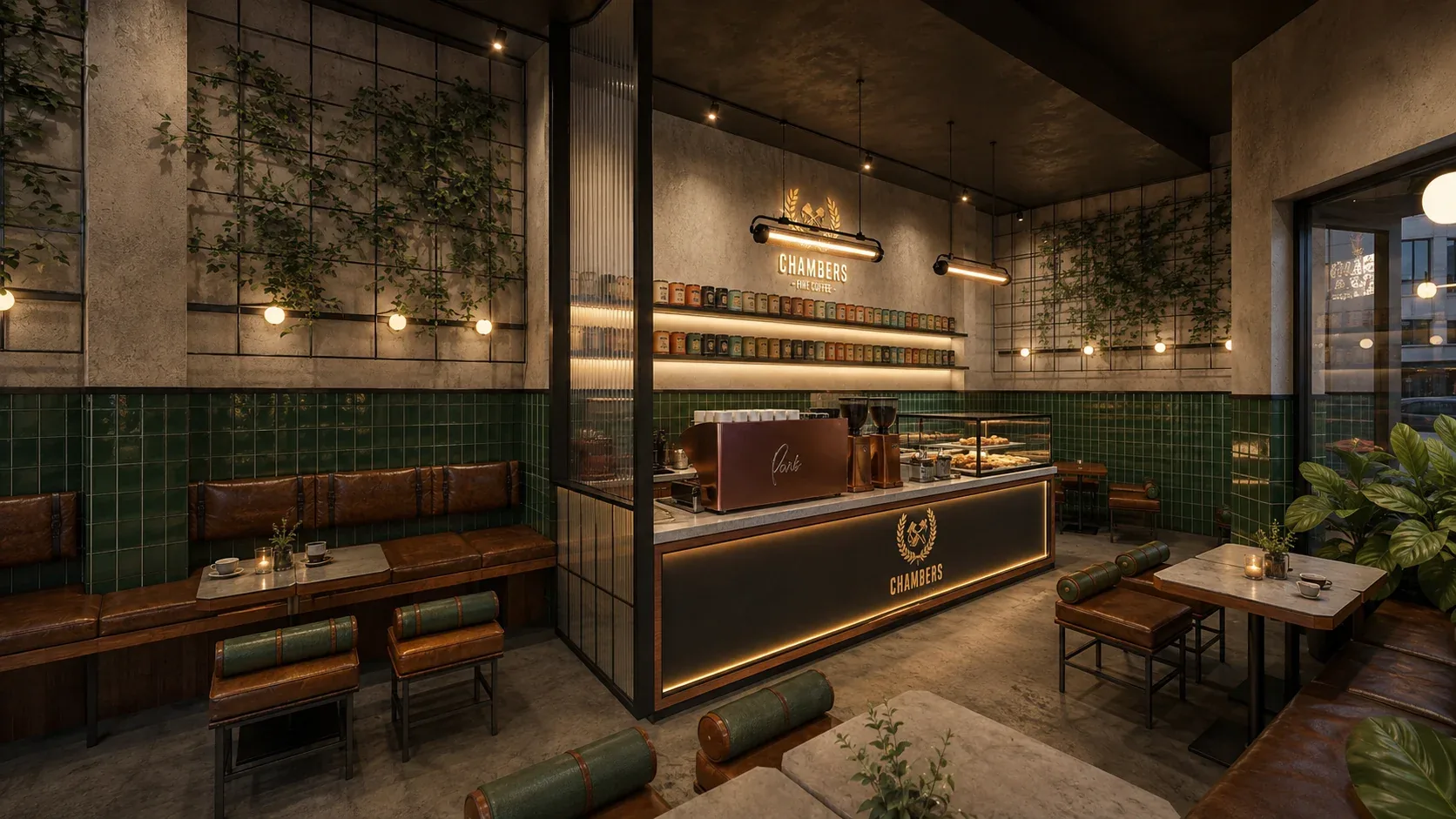
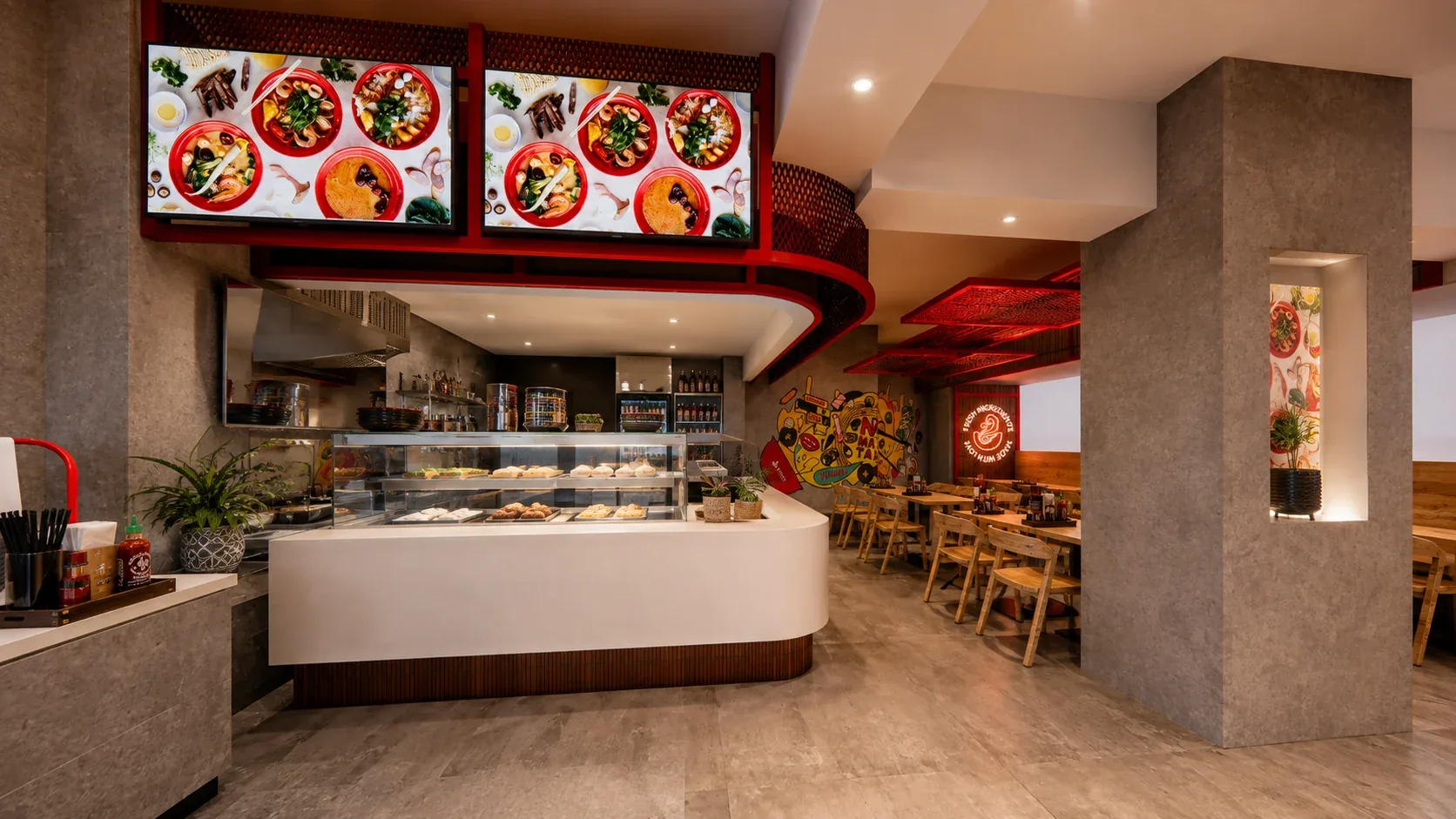
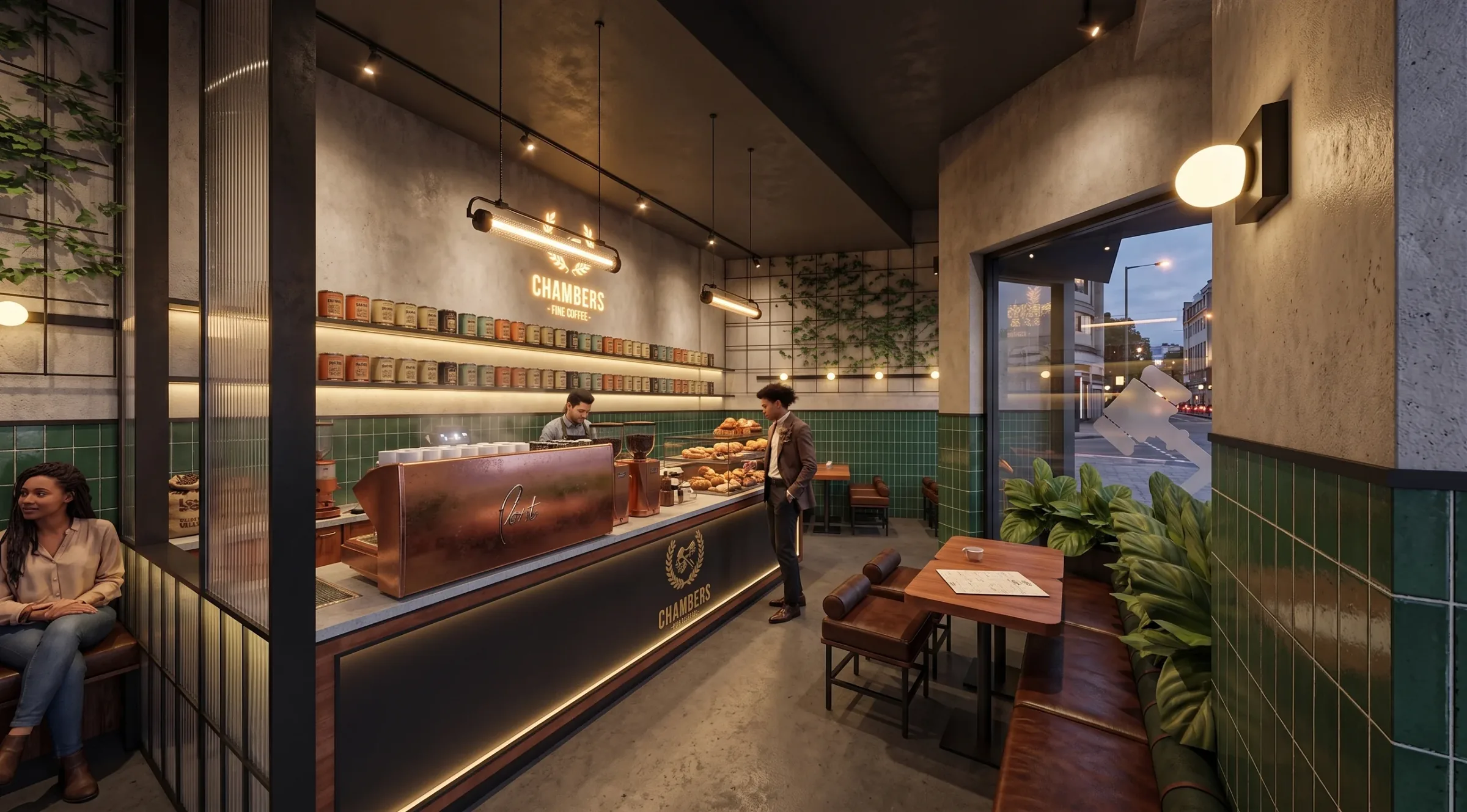
Franchise fit-outs add one more layer. On Chambers Cafe and No. 1 Malatang in Kensington, the design had to carry the brand's established look and operating requirements into a new site. Settle those early, because they shape the layout before council ever sees it.
What this means for you
Work the timeline backwards from the day you want to open: registration, then the occupation certificate, the build, the construction certificate if you're on a DA, the approval, the design, and the checks before you sign. If the total runs past your rent-free period, fix it in the lease now, while you can still negotiate.
Four things shorten the process before anyone is on site:
- Decide the approval route before you sign. It's the biggest swing in the schedule.
- Lodge a complete application, so it isn't returned or stalled.
- Start trade waste, registration and any outdoor dining application as soon as each becomes possible.
- Put your realistic timeline in front of your solicitor before the lease is final.
Our before you sign the lease check gives you the likely approval route, the red flags and a rough budget range for one specific site, so you can negotiate the lease with real dates. Our checklist for before you sign the lease covers the other questions to settle first. If you go ahead, we design the café, manage the approval and coordinate with your builder; see café and restaurant design for how a project runs.
Questions people ask
Can I start the fit-out while the DA is being assessed?
You can't start the building work yet. On the DA route, you need a construction certificate before any building work starts, and that comes after the DA is approved. While you wait, you can do everything that isn't building: finish the detailed design, get builder quotes, line up equipment once the layout is settled, and prepare your food business paperwork. Some minor work can be exempt from approval, but confirm that with your certifier first.
Do I need an occupation certificate before I open?
Yes, if your approval involved building work or a change of use. You need one to occupy and use a new building or part of one, or to change the use of an existing building. It's issued once the work meets the approval and the premises are suitable for occupation. Book final inspections early and have your trades' compliance paperwork ready, because missing paperwork holds the certificate up.
Does council inspect a café before it opens?
Not always. City of Sydney says food premises inspections are not required before you start trading; once you're registered, it carries out random, unannounced inspections and charges a fee for each. Other councils may work differently, so check with yours. Either way, you must register your food business with council before you trade.
How long does a CDC take for a café?
NSW Planning says complying development can be approved in as little as 20 days, if the proposal meets every standard and the application is complete. Add the design time before lodging. A CDC only works if the café fits all the standards, including the zone, heritage, patron numbers, the AS 4674 kitchen standard, the type of cooking and the exhaust position. If one fails, the route becomes a DA, so test it before you sign the lease.
Sources
- Before you sign the lease, NSW Small Business Commissioner
- Retail Tenancy Guide, NSW Small Business Commissioner
- Complying development, NSW Department of Planning
- Statement of Expectations Order, NSW Department of Planning
- Council league table: 2025-26 financial year, NSW Department of Planning
- Development application (DA) process, Inner West Council
- Post consent certificates, NSW Planning Portal
- Commercial trade wastewater, Sydney Water
- Get approval for a food business, City of Sydney
- Apply for outdoor dining approval, City of Sydney