





What you owe when you leave is whatever your lease says. End of lease make good is the work that one clause describes, and until it's done to that standard, the landlord can hold your bond or claim the cost, plus rent while the work is finished. Most arguments come down to two documents: the clause, and a record of how the premises looked on the day you moved in. Find both before you ask anyone for a price.
What does the make good clause in your lease ask for?
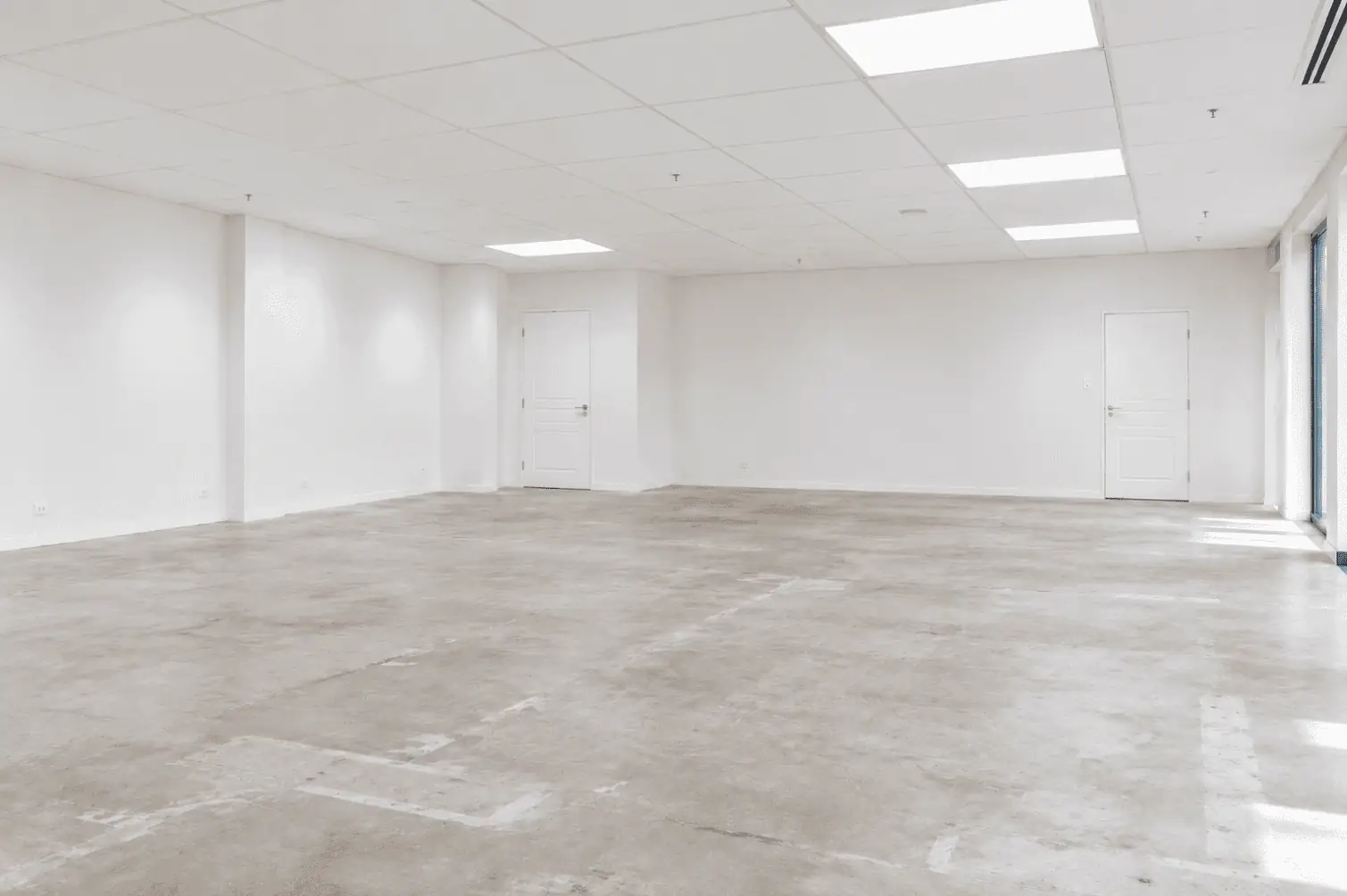
The NSW Small Business Commissioner describes the usual clause as returning the premises in a similar condition to the start of the lease. Some go further and ask for a strip back to base building, or bare shell, and a repaint.
| What the clause says | What it usually means when you leave |
|---|---|
| Condition at the start, fair wear and tear excepted | Put back what the condition report shows |
| Base building or bare shell, and repaint | Remove everything above the landlord's base building, then repaint |
| An agreed list or schedule | Do what's on the list, and only that |
| Cold shell or warm shell, in shopping centres | Services back to capped points, and a hoarding across the front while the shopfront is out |
| Nothing at all | Good and tenantable repair, less fair wear and tear |
Two more things change the answer. The Retail Leases Act covers shops under 1,000 m² that sell goods or services, on leases of six months to under 25 years; most office leases sit outside it, so the lease alone decides. And if you bought a business and took over its lease, the Commissioner warns that the standard may differ from the condition when you took over. That can mean removing work the previous tenant built.
A clause that could cost tens of thousands of dollars is worth an hour of a solicitor's time.
Strip-out to base building, or back to the handover condition?
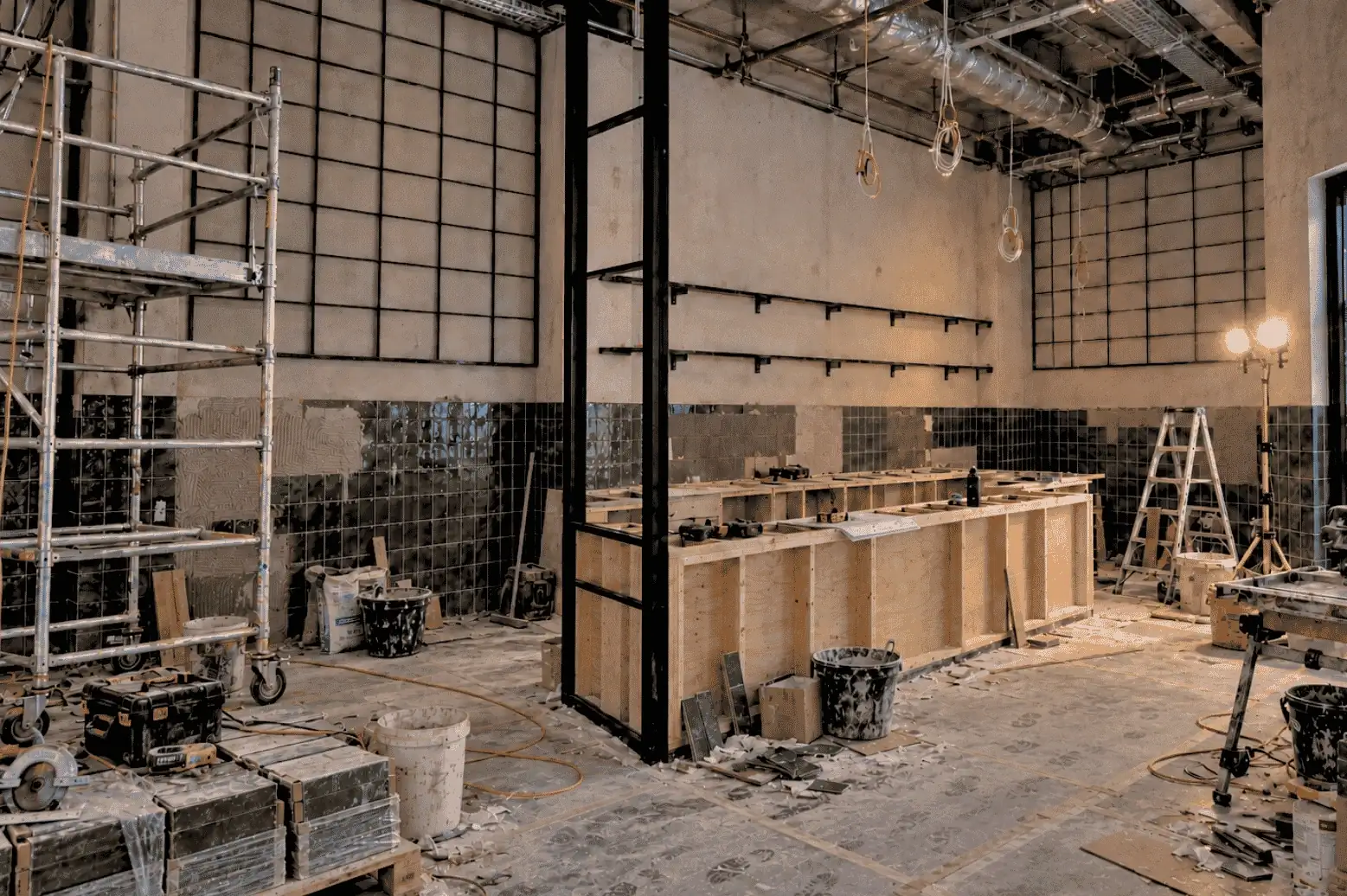
A strip-out is the removal on its own: partitions, ceilings, joinery, floor coverings and the tenant's services, taken back to the base building. Make good is the strip-out plus the repairs and repainting that follow. New tenants order strip-outs too, to clear the last fit-out before theirs goes in.
The gap between the two standards is where the money is. Say you took over a shop that was already a café, with an exhaust hood, a cool room and a grease trap the last tenant installed. Under a "condition at the start" clause, they were there on day one and can stay. Under a "base building" clause, the landlord may be entitled to ask for all of it to come out. Taking a duct out through a roof is a much bigger job than unscrewing your signs.
So ask the landlord early, in writing, what they treat as the base building.
What will the make good work involve?
An office make good is mostly partitions, ceilings, carpet and paint. Salons and cafés add plumbing, and a café adds the exhaust, gas and grease trap on top.
| Work | What it involves | Who does it |
|---|---|---|
| Fit-out and signs | Partitions, counters, joinery, added ceilings, cool rooms, signs and lightboxes | Builder |
| Services | Circuits made safe back to the switchboard; basins, sinks and floor wastes capped; gas and air-conditioning disconnected | Licensed trades |
| Kitchen exhaust | Hood and duct out, and the roof or wall opening sealed watertight | Builder, with a roofer where needed |
| Grease trap | Pumped out, disconnected and filled with sand or blue metal | WasteSafe transporter, then a licensed plumber |
| Fire services | Sprinkler heads and detectors moved for your fit-out put back to the base building layout | Arranged through the building manager |
| Repairs | Floor coverings up, holes patched, damaged ceiling tiles replaced, repainting | Builder and painter |
| Clean and waste | Waste taken away, final clean | Builder |
Electrical, plumbing, drainage, gasfitting and air-conditioning work needs a licensed tradesperson in NSW whatever the job costs. For food premises, Sydney Water asks for 28 days' notice to disconnect a grease trap.
Minor internal work can be exempt from planning approval if it strictly meets the state's standards. If the strip-out touches the structure, the fire safety systems or the shopfront, ask a certifier first.
What happens if the building has asbestos?
Treat any building from before 2004 as one that might contain it. SafeWork NSW requires a workplace built before 31 December 2003 to keep an asbestos register, so ask the landlord or building manager for it before anyone quotes. Common places include vinyl floor tiles and their adhesive, wall sheeting behind tiles, old electrical backing boards and pipe lagging.
A licensed removalist must take out any friable asbestos and any bonded (non-friable) asbestos over 10 m², and SafeWork NSW recommends a licensed professional for any amount. Only a laboratory test confirms asbestos. After friable removal, an independent assessor must issue a clearance certificate before the area is used again.
Testing adds days, so do it before the strip-out is booked. If the asbestos was part of the building before you arrived, the lease decides who pays; raise it with the landlord before you agree a price.
How much does end of lease make good cost in Sydney?
A Sydney cost guide published in October 2026 gives these industry figures. Use them to check a quote is in the right area.
| Work | Range, incl. GST | Typical |
|---|---|---|
| Make good, whole tenancy | $80 to $350 per m² | About $150 per m² |
| Office strip-out to base building, with disposal | $30 to $150 per m² | About $50 per m² |
| Asbestos removal | Priced after testing | Licensed work in most cases |
On a 120 m² café, the typical rate comes to about $18,000 incl. GST, with $9,600 at the bottom of the range and $42,000 at the top. A café with a duct through the roof, a cool room and a grease trap is more likely to land in the top half than an office with carpet and a few partitions. A 250 m² office stripped to base building at the typical $50 per m² is about $12,500.
The clause decides most of the price. After that it's how much you built and how firmly it's fixed, whether noisy work is limited to after hours, how the waste gets out of the building, and asbestos.
Our guide to comparing fit-out quotes shows how to line up two prices, and the café fit-out cost guide shows where make good sits in a café budget.
When should you start the make good?
Earlier than most tenants do. The landlord's inspection and any fixes have to fit before the end date. If I were leaving a shop next year, I'd find the condition report this week.
| When | What to do |
|---|---|
| 12 to 6 months before the end | In a retail lease without an option, the landlord must tell you in writing within this window whether you'll be offered a new lease |
| About 6 months before | Ask the landlord in writing what they expect, item by item, and for the asbestos register |
| 3 to 4 months before | Get quotes priced against the clause, and agree the scope in writing |
| At least 28 days before the work | Food premises: give Sydney Water notice for the grease trap |
| The last weeks | The work. One Sydney office fit-out builder puts a typical office strip-out at one to two weeks. Allow more for a kitchen |
| Before the keys go back | Walk through with the landlord, fix the agreed list, and get a dated condition report of the finished work |
If the work runs late, you will normally owe rent for the extra time as well as the cost. Holding over month to month is possible if the lease allows it. Ask for the landlord's consent in writing. Either side can end it on a month's notice.
Can you negotiate the make good, or pay instead of doing it?
Yes, by agreement. The Commissioner calls agreement usually the best way to settle make good, with the example of a tenant asking whether the next tenant might want an internal partition left in place. The same question works for an exhaust and grease trap, a salon's basins or the air-conditioning. A landlord re-letting to another food business may well prefer them to stay. Get any change signed by the landlord; an agent's comment on site won't count when the bond is released.
Paying instead is common too. The Commissioner notes that the two sides often agree a payment in lieu, and the landlord then does the work it needs. Get your own quote first, so you know what a fair figure is. Then put the amount, your release from the clause and the return of the bond in one document your solicitor has checked.
What if you and the landlord can't agree?
Start with the lease. Many retail leases say that if the two sides can't agree on make good costs, the President of the Australian Institute of Quantity Surveyors, or another industry body, nominates an independent certified quantity surveyor whose determination is binding.
Then look at the security you gave. An office lease follows its own wording. In a retail lease, the type decides:
| Security | What happens at the end of a retail lease |
|---|---|
| Cash bond | Lodged by the landlord with the NSW Government's Retail Bond Scheme within 20 business days. It can't be paid out without your agreement |
| Bank guarantee | The landlord can draw on it for a breach or damage without telling you first. It must be returned within two months after you complete your lease obligations |
Make good is one of the most common causes of bond disputes, the Commissioner says. Its mediation has no application fee, formal mediation costs $330 per party for up to four hours incl. GST, and a date is usually offered with three to five weeks' notice. It covers offices as well as shops. For a retail lease, mediation is required by law before a court or the Tribunal.
How do you set up make good terms before signing your next lease?
The cheapest make good is the one agreed before you sign. Check that:
- The standard is written plainly, such as the condition at the start less fair wear and tear, with no "to the landlord's satisfaction"
- A dated condition report with photos is attached to the lease
- Anything you take over from the previous tenant is listed, with what happens to it at the end
- Items the landlord agrees can stay at the end are listed
- A quantity surveyor clause covers disagreements about cost
- In a retail lease, the security is a cash bond, if the landlord will accept one
- The make good is priced into your budget
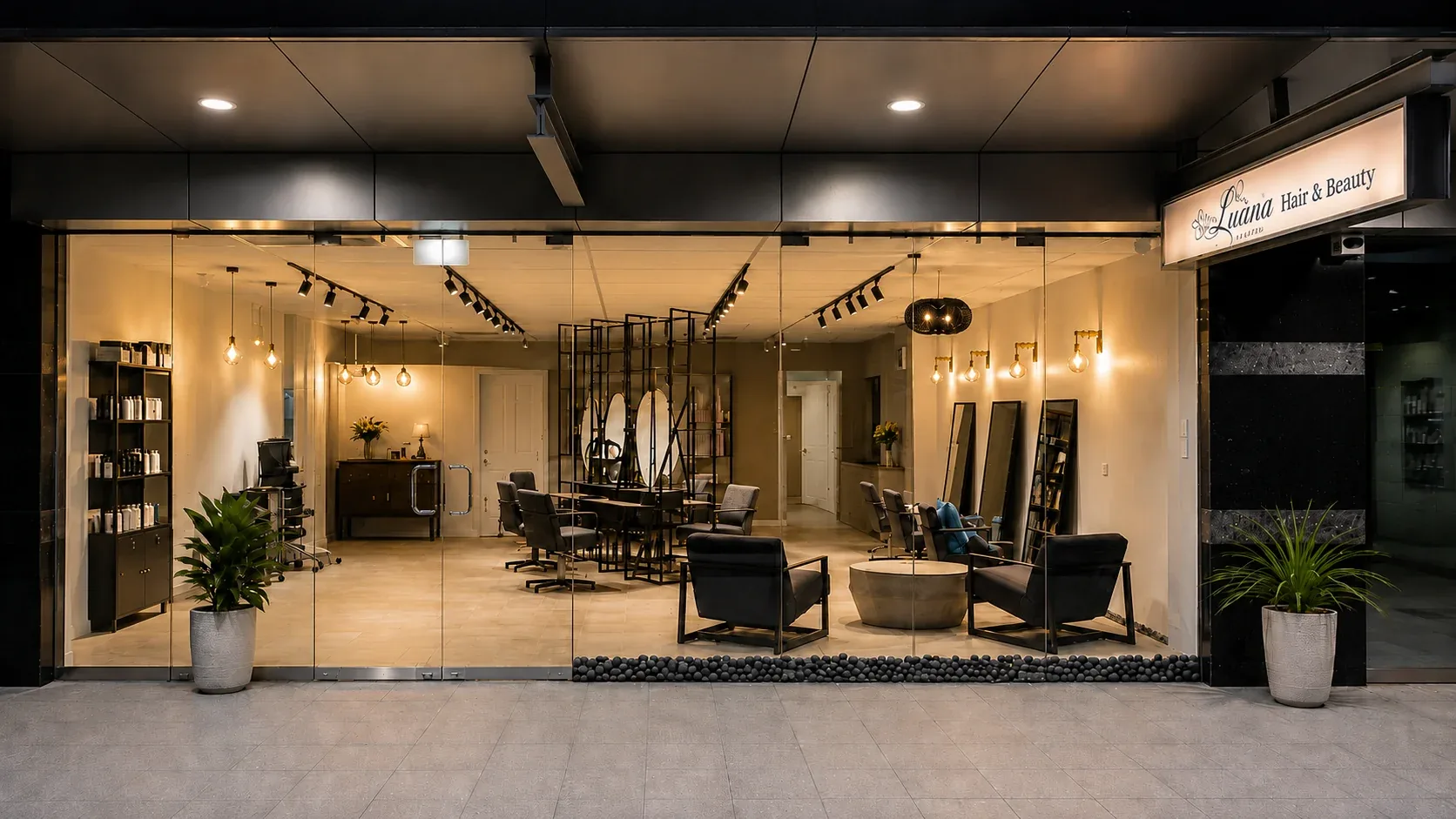
The design matters too. At Luana Hair & Beauty in Waterloo, the hair-washing basins sit on raised platforms that carry the pipes, which reduced the need for major plumbing work. A fit-out that leaves the building's floor and services largely alone also leaves less to undo later.
Our lease checklist covers the rest, and our before you sign the lease check looks at one specific shop and gives you the questions to put to the landlord while the terms can still change.
What this means for you
If your lease ends within the next year:
- Find the lease, the clause and the condition report today. Without a report, look for the leasing agent's photos and your fit-out drawings.
- Put the end date, and the last day to take up any option, in your diary.
- Write to the landlord asking what they expect, item by item, and what they'd like left for the next tenant.
- In a building older than 2004, ask for the asbestos register.
- Get the work priced against the clause, and agree the scope in writing.
- For a café or restaurant, give Sydney Water its 28 days' notice.
- Book the landlord's inspection before the end date, and keep the final condition report with your bond paperwork.
Our make good and strip-out service prices the work against your lease and the condition report, and our builders carry it out so the landlord can sign it off. If you're moving, our architects can design the next fit-out with the day you leave in mind.
Questions people ask
What does make good mean in a commercial lease?
It's the tenant's obligation to hand the premises back in the condition the lease sets. Usually that's a similar condition to the start of the lease; some leases ask for a bare shell and a repaint. If the lease says nothing, the NSW Small Business Commissioner gives the default as good and tenantable repair, less fair wear and tear.
Who pays for make good, the tenant or the landlord?
Usually the tenant. The Small Business Commissioner says the tenant is likely to bear the cost of removing the fit-out, and the clause sets what else is included. A landlord can agree to keep items the next tenant wants, or to accept a payment instead of the work. Get that in writing.
Can the landlord keep my bond for make good?
If you leave the required work undone, the landlord can claim the cost against your security, plus rent for the time the work takes. In a retail lease, a cash bond sits with the NSW Government's Retail Bond Scheme and can't be paid out without your agreement. A bank guarantee can be drawn without notice. Retail lease disputes go to the Commissioner's mediation first.
Do I need a licensed asbestos removalist for a strip-out?
If asbestos is found, usually yes. A licence is needed to remove any friable asbestos and more than 10 m² of bonded asbestos, and SafeWork NSW recommends a licensed professional for any amount. Workplaces built before 31 December 2003 must keep an asbestos register, so ask for it first.
Sources
- 'Make good' and retail leases, NSW Small Business Commission, 31 March 2025
- What to do at the end of the lease, NSW Small Business Commission, checked October 2026
- I have a dispute about my lease or bond. What can I do?, NSW Small Business Commission, checked October 2026
- Retail Bonds: Lease Security, NSW Small Business Commission, checked October 2026
- How does mediation work?, NSW Small Business Commission, checked October 2026
- Is my shop covered by the Retail Leases Act?, NSW Small Business Commission, checked October 2026
- Asbestos, SafeWork NSW, checked October 2026
- Plumbing for retail food businesses (version 3), Sydney Water, November 2025
- Commercial fit-out cost guide for Sydney, published by a cost-comparison website that sells leads to contractors, October 2026
- Office defit and make good page published by a Sydney office fit-out builder, 2026